
Anila - Hair dryer
Exploring the opportunities to design a hair dryer for people suffering from arthritis
Hair dryers are an essential part of many people’s daily routines, used consistently across different ages and lifestyles. However, despite being such a commonly used product, most hair dryers are not designed with accessibility or inclusivity in mind. For individuals living with arthritis or reduced hand mobility, actions such as gripping a handle, pressing controls, or holding the weight of a dryer for extended periods can become uncomfortable and physically demanding.
While the beauty and personal care industry continues to innovate through performance and technology, there remains a significant gap in ergonomic and user-centered solutions for people with limited strength and mobility. This project explores how a hair dryer can be reimagined through inclusive design principles, creating a more comfortable, intuitive, and supportive experience for everyday use.
Loughborough School of Design and Creative Arts
Duration - 8 weeks
01
Process
Background
People living with arthritis often experience pain, stiffness, and reduced mobility in their hands and joints, making everyday tasks physically challenging. In the UK, arthritis affects over 10 million people and is one of the leading causes of disability and chronic pain. Simple daily activities such as grooming, cooking, or using household products can become uncomfortable and exhausting due to reduced grip strength and limited movement.

Key Issues
Limited Accessibility
Why ?
-
Heavy and difficult to hold
-
Requires prolonged grip strength
-
Awkward wrist positioning
-
Small or hard-to-press controls
Low User Comfort
Why ?
-
Wrist and hand strain during use
-
Fatigue from extended drying time
-
Difficult for one-handed operation
-
Excessive weight distribution
Why is it so difficult to solve this ?
Limited User Variability
Different levels of pain, grip strength, and mobility limitations
Performance expectations
Users still expect fast drying, styling control, and premium aesthetics
Limited inclusive focus
Most hair dryers prioritize power and styling over ergonomics and accessibility
Industry
The hair care industry primarily focuses on performance, styling technology, and aesthetics to maintain market competitiveness. As a result, most hair dryers prioritize power, speed, and compact form over accessibility and ergonomic comfort.
Products designed specifically for users with arthritis or limited mobility receive very little attention within the market, despite the growing demand for inclusive everyday products.
While some ergonomic solutions exist, they often lack thoughtful user-centered development and fail to fully address issues such as grip strain, wrist discomfort, prolonged use fatigue, and one-handed accessibility.

Existing Hair-dryers Types


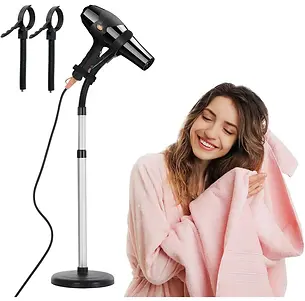
Standard Handheld Hair Dryers
Most hair dryers prioritize performance and styling but require continuous grip strength and wrist movement, making them challenging for users with arthritis or reduced mobility.
Pro
-
Widely available
-
Affordable options
-
Powerful airflow
-
Multiple heat settings
-
Familiar product language
Contra
-
Requires prolonged grip
-
Can be heavy to hold
-
Awkward wrist positioning
-
Small controls
-
Difficult for one-handed use
High-Performance Hair Dryers
While premium dryers improve performance and aesthetics, they are rarely designed for users with reduced hand strength or mobility.
Pro
-
Faster drying
-
Lightweight materials
-
Better heat control
-
Premium appearance
-
Improved motor efficiency
Contra
-
High cost
-
Still requires grip strength
-
Controls can be complex
-
Not designed for arthritis users
-
Accessibility is secondary
Wall-Mounted Drying Solutions
While hands-free dryers improve accessibility, they often sacrifice portability, flexibility, and convenience.
Pro
-
Reduces hand strain
-
Allows hands-free use
-
Useful for limited mobility
-
Less wrist fatigue
-
Can support independent grooming
Contra
-
Limited styling control
-
Bulky or fixed position
-
Less portable
-
Limited availability
-
Often lacks premium design appeal
Design Opportunity
Through user research, market analysis, and ergonomic studies, it became clear that existing hair dryers prioritize performance and styling while often overlooking accessibility and user comfort. For individuals living with arthritis, everyday grooming tasks can become physically demanding due to product weight, grip requirements, and prolonged use.
The opportunity lies in rethinking the hair dryer as an inclusive product that combines ergonomic functionality with a desirable aesthetic experience. By focusing on comfort, ease of use, and emotional appeal, the product can support greater independence without compromising performance or visual identity.
Design of an ergonomic, aesthetically appealing, and accessible hair dryer that reduces physical strain while maintaining the performance and experience users expect.
Exploration
I explored different concepts via sketching and prototyping and validated ideas with users and experts.


02
Final Design
Anila
The final design concept is an inclusive hair dryer that shifts the interaction from gripping to supporting. Through a unique dual-structure architecture, the product distributes weight across the hand rather than relying solely on finger strength, reducing strain and improving comfort during prolonged use.
The result is an accessible, aesthetically refined, and intuitive hair dryer that provides benefits for people with arthritis while remaining desirable for a wider audience.

Support Based Grip
The drying unit and handle are connected through an open-frame architecture that allows the user to support the product through their hand rather than solely through grip strength. This reduces strain on finger joints and promotes a more natural hand posture during use.
The result is a lightweight and intuitive interaction that improves comfort for people with arthritis while remaining familiar and accessible to a wider range of users.


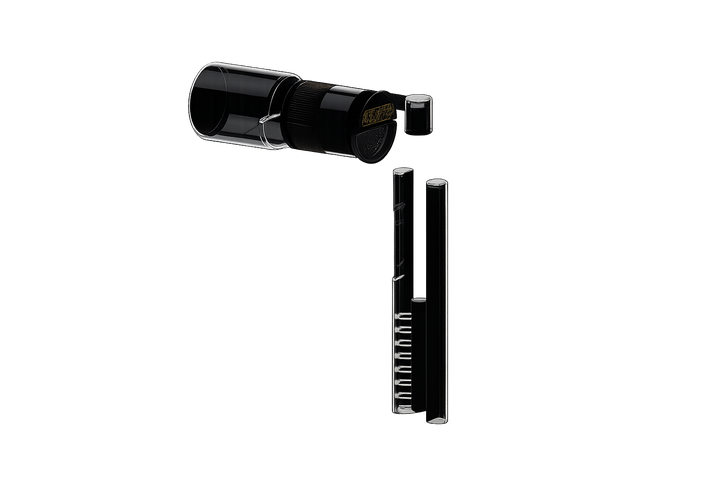


Magnetic Attachments
A magnetic connection system enables quick and effortless attachment changes. The mechanism reduces the force required to install accessories, improving accessibility while simplifying everyday use.


Story Board


